
ディーゼル発電機はどのくらい長持ちしますか?フルガイド
Mar 18, 2026
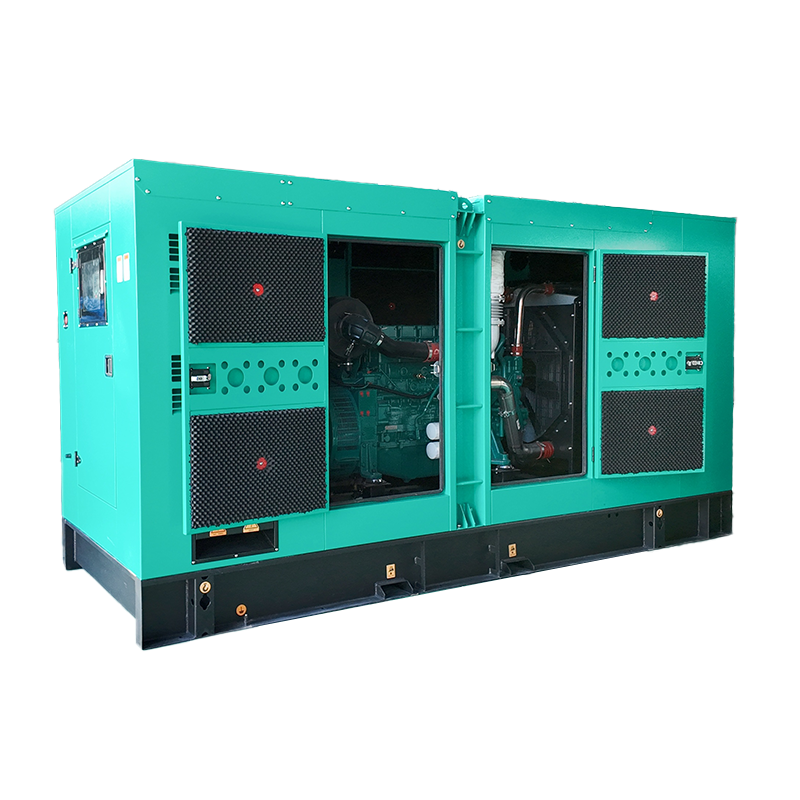
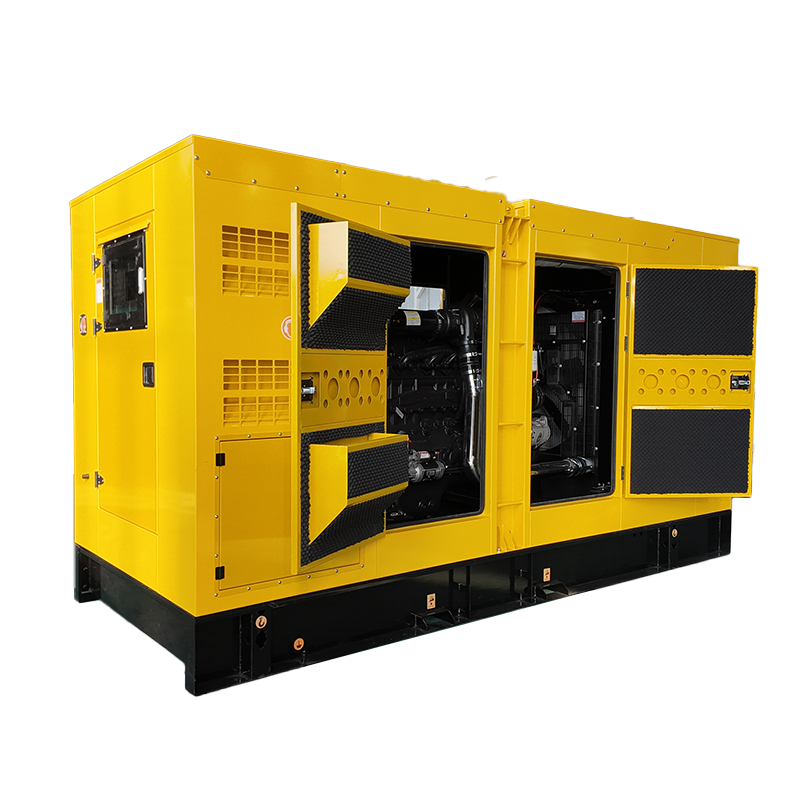
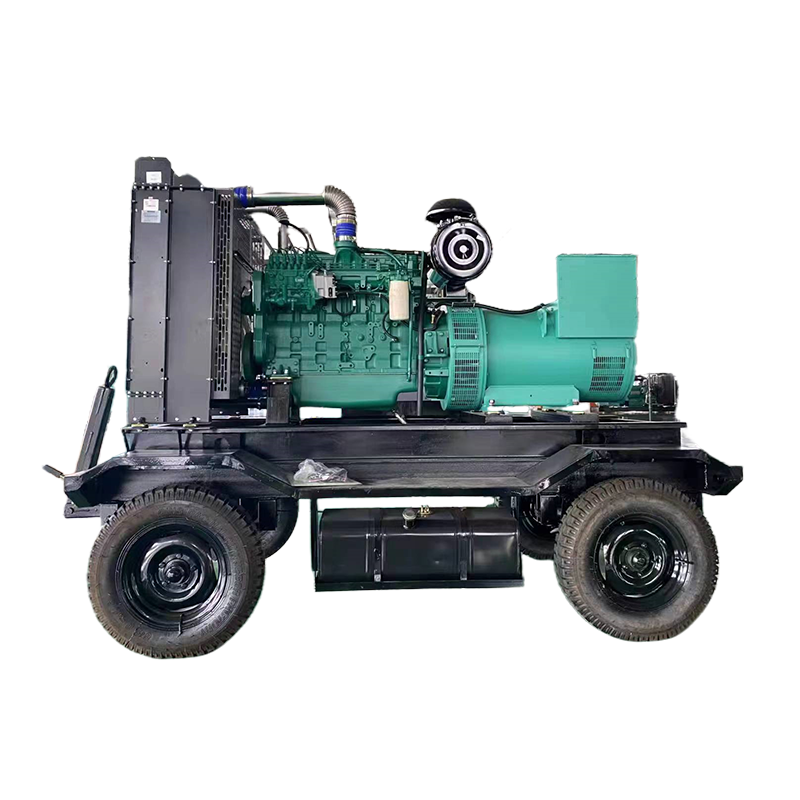
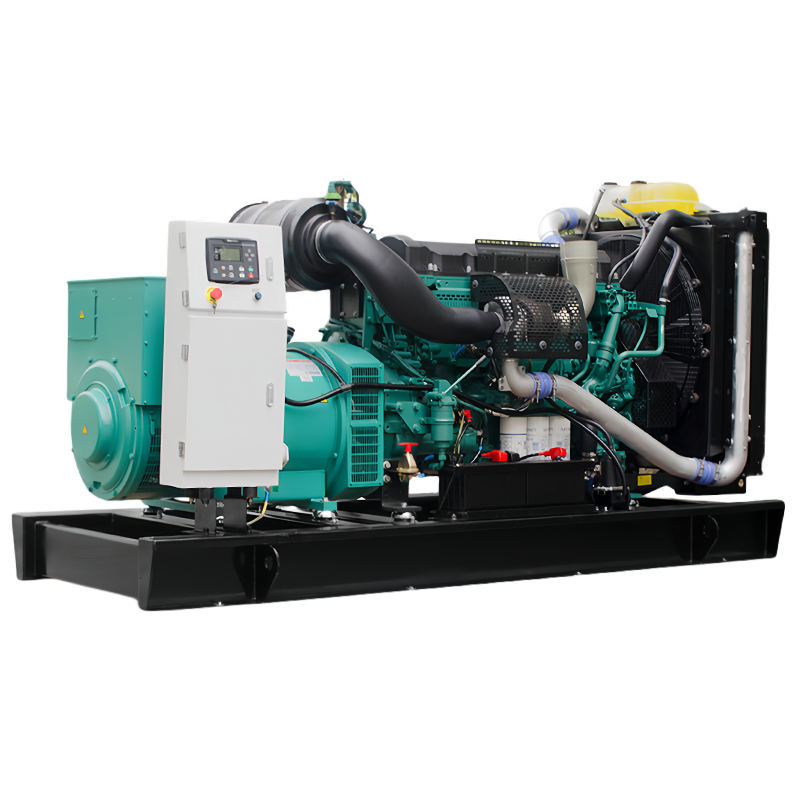
手入れの行き届いた ディーゼル発電機 can last between 20,000 and 30,000 operating hours — equivalent to 20~30年 of standby use or 10–15 years in continuous prime power applications. 産業用 diesel generator sets from leading manufacturers such as Cummins, Caterpillar, Perkins, and MTU are routinely operated beyond 25,000 hours with major overhauls, while poorly maintained units can fail within 5,000~8,000時間. The difference is almost entirely determined by maintenance quality, operating load, fuel cleanliness, and environmental conditions — not the brand or initial purchase price.
Understanding what drives diesel generator lifespan allows operators to make informed decisions about maintenance schedules, overhaul timing, and total cost of ownership — critical factors for data centres, hospitals, industrial facilities, and any operation where generator reliability is not optional.
用途別のディーゼル発電機の寿命
同じディーゼル発電機セットでも、使用方法によって耐用年数は大きく異なります。 Operating hours accumulate at vastly different rates across applications, and the load profile — how hard the engine works during those hours — matters as much as the raw hour count.
| アプリケーションの種類 | Typical Annual Hours | 予想寿命 (時間) | 期待寿命 (年) |
|---|---|---|---|
| 緊急待機(病院、データセンター) | 50–200 hours | 20,000~30,000 | 25~40年 |
| 主な電力(建設、遠隔地) | 2,000~4,000時間 | 15,000–25,000 | 5–12 years |
| 継続的なベースロード (オフグリッド電力) | 6,000–8,760 hours | 20,000~30,000 | 再構築サイクルごとに 3 ~ 5 年 |
| ピークシェービング/グリッドサポート | 500–1,500 hours | 20,000–25,000 | 15–25 years |
| Residential backup | 50–150 hours | 10,000~20,000 | 20~30年 |
Standby generators used in hospitals or data centres accumulate hours slowly — primarily during weekly test runs and actual outage events — which is why a unit bought in 1995 may still be in service today.遠隔地の採掘現場や通信現場にある連続運転発電機は、事実上 24 時間稼働しており、毎年大規模なオーバーホールが必要です。 3–5 years 信頼性を維持するためですが、適切に再構築すれば、同じエンジン ブロックが 3 ~ 4 サイクル持続する可能性があります。
ディーゼル発電機の寿命に最も影響を与える 7 つの要素
ディーゼル発電機セットの寿命はランダムではなく、次の運転およびメンテナンス要因に基づいてほぼ完全に予測可能です。これらの変数を制御することが、耐用年数を最大化するための現実的な方法です。
1. 負荷率: 定格容量の適切な割合で運転
ディーゼルエンジンは次の条件で動作するように設計されています。 定格負荷の 60 ~ 80% 最適な燃焼、効率、コンポーネントの寿命を実現します。 Operating consistently below 30% load — a common problem for oversized standby generators — causes wet stacking: incomplete combustion deposits raw fuel and carbon in the cylinders, exhaust system, and turbocharger.これにより摩耗が促進され、重大な損傷を引き起こす可能性があります。
Conversely, sustained operation above 90–95% rated load increases thermal stress on pistons, rings, and cylinder liners, shortening the interval before major overhaul is required. A generator set correctly sized to its load — operating between 50–80% capacity — will consistently outlast an oversized or undersized unit.
2. 燃料の品質と保管
ディーゼル燃料の品質は、インジェクター、ポンプ、燃焼システムの寿命を左右する主な要因です。汚れたディーゼル、劣化したディーゼル、または水分を含んだディーゼルは、インジェクターチップの浸食、ポンプの摩耗、不完全燃焼を引き起こします。主要な燃料品質問題には次のようなものがあります。
- 水質汚染 - インジェクターの腐食と微生物の増殖(ディーゼルバグ)を引き起こします。 fuel stored more than 6–12 months 検査を受けて治療を受ける必要がある
- 微粒子汚染 - 燃料ポンプとインジェクターのコンポーネントを摩耗させます。燃料は ISO 4406 清浄度クラスを満たす必要があります 16/14/11 or better 最新のコモンレール噴射システム用
- Biodiesel blends — B20 以上のバイオディーゼルブレンドは酸化安定性が低く、標準的なディーゼルよりも多くの水を吸収します。保管寿命が短くなります 3~6ヶ月 without stabilisers
- 低硫黄ディーゼル (ULSD) - 古い高硫黄燃料よりも潤滑性が低い。古い噴射システムコンポーネントには潤滑性添加剤の補充が必要です
3. 冷却システムのメンテナンス
オーバーヒートは、ディーゼル エンジンの早期故障の最も一般的な原因の 1 つです。冷却システムは、シリンダー ヘッドとライナーの温度をメーカーの指定範囲内に維持する必要があります (通常は)。 冷却水温度 80 ~ 95°C at the thermostat.重要な冷却システムのメンテナンスには次のものが含まれます。
- 冷却剤の濃度と状態 - 不凍液/防止剤の濃度は毎回チェックする必要があります。 6ヶ月 そしてクーラントも毎回交換 2 years or 2,000 hours
- Radiator cleaning — external fin blockage from dust, leaves, or insects reduces cooling capacity significantly;毎年、低圧空気または水で洗浄してください。 3~6ヶ月 depending on environment
- Hose and belt inspection — coolant hoses harden and crack with age regardless of hours; replace every 4~6年 積極的に
4. 潤滑: オイルの品質と交換間隔
エンジンオイルはディーゼル発電機にとって最も重要な消耗品です。 Degraded oil loses its ability to maintain the hydrodynamic film between bearing surfaces, leading to accelerated wear of crankshaft bearings, camshaft lobes, and cylinder liners.ディーゼル発電機セットの標準的なオイル交換間隔は次のとおりです。 250 ~ 500 稼働時間ごと 、または使用率の低いスタンバイ発電機の場合は毎年。 Oil analysis — sending a sample to a laboratory for metal particle content, viscosity, and contamination testing — is the most cost-effective way to optimise oil change intervals and detect internal wear before it becomes serious.
5. Air Filtration
ディーゼル エンジンは大量の空気を吸入します。通常、100 kW の発電機が空気を処理します。 1 時間あたり 300 ~ 500 立方メートルの空気 。 Dust particles that bypass a damaged or saturated air filter cause abrasive wear to cylinder liners and piston rings at a rate orders of magnitude higher than clean air operation.エアフィルターの状態は毎回チェックする必要があります 250 hours or monthly 、制限インジケーターがレッドゾーンに達するかなり前に交換してください。
6. Ambient Environment
Operating environment significantly affects both component wear rates and ancillary system durability:
- 周囲温度が高い — reduces available cooling capacity and may derate engine output;上 周囲温度40℃ , most generators are derated by 1% per °C above the rated ambient
- 高地 — thinner air reduces combustion efficiency and power output; turbocharged engines handle altitude better than naturally aspirated designs
- 海岸および海洋環境 — salt-laden air accelerates corrosion of alternator windings, control panels, exhaust systems, and structural components; marine-grade enclosures and corrosion-resistant coatings are essential
- 粉塵の多い環境 (mining, construction) — dramatically increases air and oil filter change frequency and external equipment cleaning requirements
7. 始動周波数とウォームアップ条件
コールドスタート — 特に以下の場合 5°C ambient temperature without block heaters — are disproportionately damaging to diesel engines. During the first few seconds after a cold start, oil pressure has not fully developed and cold viscous oil provides minimal film protection. Studies suggest that a cold start at −10°C is equivalent to 通常の暖機運転で 5 ~ 8 時間 in terms of wear. Engine block heaters that maintain coolant temperature at 30~40℃ virtually eliminate cold start wear and should be considered mandatory for standby generators in cold climates.
ディーゼル発電機セットのメンテナンス スケジュール: いつ何を行うか
A structured preventive maintenance programme is the single most effective investment in generator longevity. The following schedule reflects best practice recommendations from major manufacturers including Cummins, Caterpillar, and Perkins for typical industrial diesel generator sets:
| Interval | メンテナンスタスク | Purpose |
|---|---|---|
| 毎週 | テスト実行 (負荷 30% 以上で最低 30 分)、液面のチェック、漏れの検査、バッテリーの状態の確認 | 準備を整え、濡れたスタッキングを防止し、早期の障害を検出します |
| 毎月 | エアフィルターの検査、燃料レベルと品質の検査、バッテリーの負荷テスト、ベルトとホースの検査 | 汚染による故障の防止 |
| 250 ~ 500 時間 / 6 か月 | エンジンオイルとフィルターの交換、燃料フィルターの交換、冷却水のチェック、オイル分析サンプル | オイルから燃焼副生成物を除去し、濾過を回復します。 |
| 500 ~ 1,000 時間 / 12 か月 | エアフィルター交換、燃料システム検査、バルブクリアランスチェック、必要に応じてバッテリー交換 | 燃焼効率とエンジンの呼吸を回復します |
| 2,000時間/2年 | クーラント交換、ターボチャージャー検査、インジェクターテスト、ベルトとホースの交換、ロードバンクテスト | 全出力容量を確認します。冷却化学をリフレッシュする |
| 5,000–8,000 hours | 主なサービス:インジェクターのオーバーホールまたは交換、燃料ポンプの検査、シリンダー圧縮テスト、オルタネーターの検査 | 燃料システムの精度を回復します。エンジン内部の状態を評価する |
| 15,000~20,000時間 | 大規模なオーバーホール: トップエンドの再構築 (ピストン、リング、ライナー、バルブ) またはエンジン全体の再構築 | 別のサービスサイクルのためにエンジンを新品に近い状態に復元します |
年間累積時間が 200 時間未満の低使用量スタンバイ発電機の場合、 カレンダーベースの間隔は時間ベースの間隔より優先されます 。 Oil degrades chemically over time regardless of use — standing oil in an engine for 12 months without a change allows acids and moisture to accumulate and attack bearing surfaces.
大規模なオーバーホールと交換: 正しい決断を下す
ディーゼル発電機セットが最初の主要なサービスライフサイクルの終わりに達すると、通常は 15,000~20,000時間 — オペレータは、寿命を延ばすために大規模なオーバーホールに投資するか、ユニットを新しい発電機セットに交換するかという重要な決断を迫られています。正しい答えは、いくつかの財務的および技術的要因によって異なります。
オーバーホールが経済的に合理的な場合
- エンジン ブロック、クランクシャフト、および主要な構造コンポーネントは良好な状態にあります。ボア ゲージ測定、クランクシャフト ジャーナル検査、および圧縮テストによって確認されています。
- オルタネーターの巻線はテスト済みで、絶縁劣化や湿気の浸入の兆候はありません。
- Spare parts availability is confirmed — older engines from established manufacturers like Perkins, Cummins, and Volvo typically have parts availability for 20~25年 生産終了後
- オーバーホール費用は以下の通りです 新品ユニット交換費用の50~60% ;このしきい値を超えると、10 年間の観点から一般に交換の方が経済的になります。
交換がより良い選択である場合
- ユニットには 2 回目または 3 回目の大規模なオーバーホールが必要であり、付属システム (コントロール パネル、自動転送スイッチ、排気システム) も寿命に近づいています。
- 管轄区域内の排出規制が強化されました - 古い Tier 1 または Tier 2 エンジンは、現在 Tier 4 Final または Stage V が必要とされている特定の用途には準拠していない可能性があります
- 負荷要件が大幅に変更され、既存のユニットは慢性的に過負荷または過小負荷になっています。
- 信頼性が重要であり、ユニットのメンテナンス履歴が十分に文書化されていないため、状態の評価が困難になっています
実用的なベンチマークとして: よくメンテナンスされた状態でのトップエンドのオーバーホール (ピストン、リング、ライナー、バルブ、インジェクター) 200kWディーゼル発電機セット 通常は費用がかかります 15,000 ~ 35,000 米ドル 、と比較して 60,000~100,000ドル(米ドル) 新しい同等のユニットの場合。オーバーホールにより別の機器が確実に動作するようになった場合 10,000 ~ 15,000 時間 、交換よりも大幅に優れた資本効率を表します。
ロードバンクテスト: 発電機が実際に長持ちすることを確認する
ディーゼル発電機セットの寿命を延ばすための最も活用されていないツールの 1 つは、負荷バンク テストです。ロードバンクは、発電機に接続して全定格負荷条件をシミュレートできるポータブルな抵抗負荷で、発電機が稼働する施設に負荷がかかっていない場合でも、発電機を設計の動作点で動作させることができます。
毎年のロード バンク テストは、次の 2 つの重要な目的に役立ちます。
- ウェットスタッククリアランス — スタンバイ発電機を全負荷で実行する 年間2~4時間 シリンダー壁、ピストン、リング、ターボチャージャー、排気システムから蓄積された未燃焼燃料の堆積物を燃焼させます。これにより燃焼効率が回復し、摩耗を促進するカーボンの蓄積が防止されます。
- 状態確認 — 設計温度で定格出力を発揮し、ロードバンクテスト中にアラームが作動しない発電機は、その準備が整っていることと健全性が客観的に検証されています。定格負荷 70% での過負荷で過熱、電圧低下、またはトリップが発生するものは、その障害が実際の停止を引き起こす前に障害が明らかになりました。
現在、重要な施設向けのほとんどの発電機サービス契約には、標準要件として毎年の負荷銀行テストが含まれています。米国の NFPA 110 は、病院および人命安全アプリケーションを含むレベル 1 の非常用電源システムの全負荷テストを義務付けています。
ディーゼル発電機が寿命に近づいている兆候
劣化信号を早期に認識することで、緊急の故障ではなく、計画的なメンテナンスや交換が可能になります。次の症状は、ディーゼル発電機セットに即時評価が必要であることを示しています。
- オイルの過剰な消費 — 以上を消費する 燃料体積の 0.5% をオイルとして 通常、ピストン リングまたはバルブ ステム シールが摩耗し、オイルが燃焼室に侵入することを示します。
- 青灰色の排気煙 - 燃焼室内でオイルが燃焼していることを示します。リング、ライナー、またはバルブガイドの摩耗の兆候
- 負荷時の黒い排気煙 — 不完全燃焼につながる燃料インジェクターの劣化、空気制限、またはターボチャージャーの故障を示します。
- 定格電圧または周波数に到達することが困難 — オルタネーター巻線の劣化、自動電圧調整器 (AVR) の故障、またはガバナの摩耗を示している可能性があります
- 通常負荷時の冷却液または油の温度上昇 — 冷却システムの劣化または内部伝熱面の汚れを示します
- エンジンからのノッキングやガタガタ音 — ベアリングの摩耗、ピストンのスラップ、またはコネクティングロッドの動きを示している可能性があります。即時調査が必要
- オイル中の金属粒子の分析 — オイルサンプル中の鉄、銅、またはクロムの増加は、致命的な故障が発生する前にベアリング、ライナー、またはバルブトレインに原因を追跡できる特定のコンポーネントの摩耗を示しています
長持ちするディーゼル発電機セットの選択: 主要な仕様要素
発電機の寿命の基礎は購入時に築かれます。意図された用途に正しく指定されたディーゼル発電機セットを選択すると、早期故障の最も一般的な原因が最初から回避されます。
電力定格: スタンバイ、プライム、連続
ディーゼル発電機セットには、エンジンがどの程度の強度でどのくらいの時間作動できるかを定義する複数の出力定格があります。
- スタンバイ定格 (ESP) — 最大出力 年間200時間 過負荷がないこと。特定のエンジンの最高評価。プライムまたは連続使用には適していません
- プライム電力定格 (PRP) — 通常 スタンバイ定格より 10% 低い ;可変負荷の主電源として時間無制限に適しています。 12 時間で 1 時間の 10% の過負荷能力が含まれます。
- 連続定格(COP) — 通常 プライム評価より 10% 低い ;無期限に一定の最大出力で実行されるベース ロード アプリケーションの場合。過負荷は許可されません
連続電力または主電力用途で待機電力定格の発電機を使用することは、発電機セットの早期故障の最も一般的な原因の 1 つです。エンジンは設計のデューティ サイクルを超えて動作しているため、予想よりもはるかに早くオーバーホールが必要になります。電力定格分類と実際のアプリケーションを常に一致させてください。
エンジンのブランドと部品の入手可能性
発電機を動作させる必要がある用途向け 20–30 years 、耐用年数全体にわたる部品の可用性は重要な選択基準です。世界的なサービス ネットワークを持つ確立されたエンジン ブランド (Cummins、Perkins、Volvo Penta、MTU、John Deere、Caterpillar) は、文書化された部品サポートの約束と広範なディーラー ネットワークを提供しています。あまり知られていないブランドは初期価格を低く設定している場合もありますが、発電機の耐用年数が 10 年経過すると、消耗品や主要部品にサプライ チェーンのリスクが伴います。